Mobility Flow Analysis

Explore our latest research on Intelligent Transportation Systems (ITS), urban route optimization, and logistics of movement.

Predictive Models for Urban Traffic

Analysis of AI algorithms applied to congestion forecasting in metropolitan areas, improving route planning.

Read analysis
Mass Transit Fleet Optimization

Case study on the dynamic reassignment of vehicles in bus systems to reduce waiting times.

Read study
Last-Mile Logistics in Smart Cities

Evaluation of delivery strategies that integrate real-time mobility data to minimize traffic impact.

Read evaluation
Sensor Integration in ITS Infrastructure

Technological review of monitoring devices that feed central mobility management systems.

See more
Pedestrian Flow Simulations

Methodologies for modeling movement in transport interchanges and their application in space design.

See more
Data Standardization for Intermodal Mobility

Proposal for a common framework for data interoperability between different public and private transport operators.

See more

Frequently Asked Questions

Clear answers about our mobility analysis and Intelligent Transportation Systems (ITS).

An Intelligent Transportation System (ITS) applies information and communication technologies to improve the efficiency, safety, and sustainability of transportation. Our analysis focuses on the integration of real-time data, adaptive traffic signaling, and traffic management in complex urban environments.

We use simulation models based on historical and real-time data on passenger flow, travel times, and urban events. This allows us to identify bottlenecks and propose adjustments in frequencies, alternative routes, and modal interchange points to reduce waiting and travel times.

Our analyses integrate anonymized data from traffic sensors, GPS from public fleets, transit card transactions, and mobile network data. All processing complies with data protection regulations to ensure privacy.

Mobility logistics focuses on the efficient movement of people rather than goods. It involves planning and managing people flows, considering variables such as peak hours, available transport modes (metro, bus, bicycle), and the interconnection between them for seamless urban movement.

Yes, we develop predictive models that consider urban growth, the adoption of electric vehicles, changes in work patterns, and new mobility services. The goal is to help cities plan infrastructure and policies that are resilient in the long term.

Recommendations for Your Analysis

Selected articles and resources on smart mobility and system optimization.
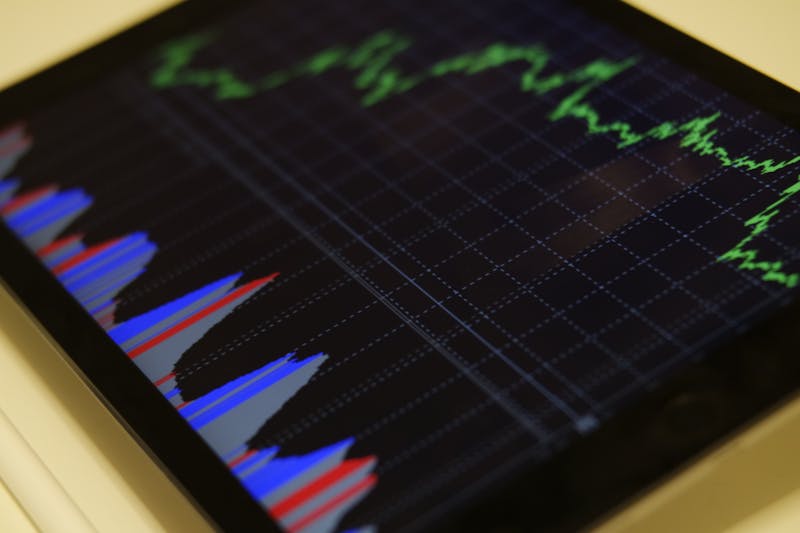
Urban traffic analysis
ITS
Predictive Models for Urban Traffic

We explore AI algorithms applied to congestion forecasting in metropolitan hubs.

Read Analysis

Bus route optimization
Mass Transit
Dynamic Bus Fleet Optimization

How real-time data is revolutionizing public transport efficiency.

Read Analysis
Last-mile logistics
Logistics
Last-Mile Logistics in Dense Environments

Strategies to reduce costs and emissions in the final delivery of goods.

Read Analysis
ES EN