A new predictive model based on machine learning is demonstrating an 18% reduction in congestion times on Madrid's ring road during peak hours.
The analysis of real-time mobility flows, combined with a decade of historical data, allows the system to anticipate incidents and optimize variable message signs and reversible lanes. This research, published in the Journal of Intelligent Transportation Systems, marks a milestone in the application of ITS in complex metropolitan environments.
Urban mobility logistics are being transformed by algorithms that process millions of data points from sensors, public fleet GPS, and anonymized mobile devices. The result is a dynamic heat map that guides traffic managers' decisions.
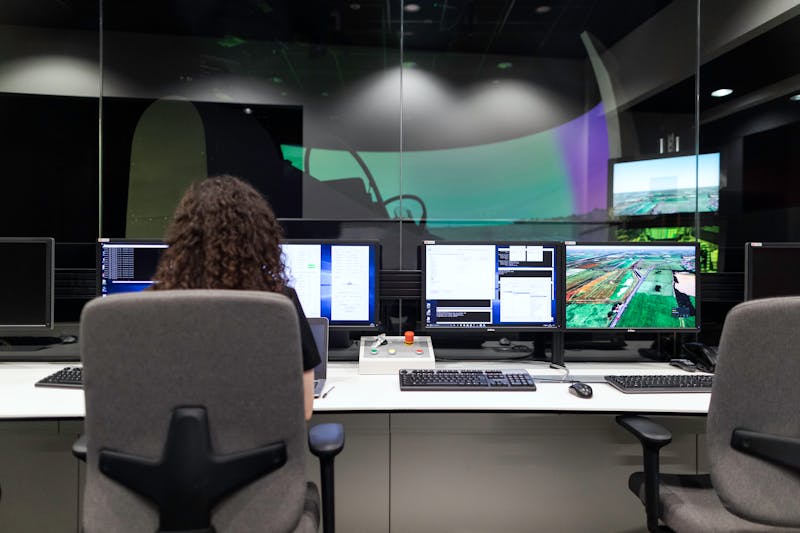
The next step for the Buraya Git project is the integration of these models with mass transit systems, aiming for multimodal optimization that prioritizes the use of the metro and rapid transit buses on the most congested routes.
"Smart mobility is not just about moving vehicles, but about moving information that enables decisions that benefit the entire network."
Challenges persist, especially regarding data protection and the cybersecurity of critical infrastructure. However, the path towards more fluid and less polluted cities seems clearer with each advance in transportation data analysis.